


If you’re planning travel from autumn onward, Victoria offers something many destinations struggle to deliver: contrast without complication. Within a few hours, you can move from a windswept stretch of coastline to a vineyard mid-harvest, from a packed stadium in winter to a quiet regional street lined with gold rush facades. The distances are workable. The shifts in landscape are noticeable. From March through December, timing changes the experience. Rather than relying on one headline attraction, the state builds steadily across the year. Autumn slows the coast. Winter sharpens the mountains. Spring lifts the pace again. It rewards travellers who pay attention to the season.
1. AFL Season
From late March through September, Australian Rules Football shapes weekends across the state. Finals intensify as winter deepens, and matches at the Melbourne Cricket Ground can draw more than 80,000 people. Even if you’ve never watched a game before, a mid-season night match in July is hard to ignore. The noise carries.
2. The Great Ocean Road in the Cooler Months
From April onward, traffic thins along the Great Ocean Road. The Twelve Apostles remain the focal point, but the smaller stops often feel more memorable once summer crowds disperse. Walk down to Gibson Steps. Stand at Loch Ard Gorge with the wind coming straight off the Southern Ocean. In winter, the light can be unexpectedly clear, and the cliffs look sharper against it.

3. Geelong as an Autumn and Winter Base
Between April and August, Geelong feels steady rather than seasonal. Eastern Beach is cooler but still busy with walkers. The waterfront stays active. Little Malop Street has quietly developed into a reliable dining strip without losing its local feel. From here, you can reach the Surf Coast, the Bellarine Peninsula or central Melbourne within an hour, then return somewhere calmer at night.
4. Bellarine Peninsula Harvest Season
Autumn means harvest across vineyards near Portarlington and Drysdale. From March through May, cellar doors sit closer to production than presentation. Conversations turn to yields, weather and the shape of the vintage. It’s a practical time to visit if you’re genuinely interested in how the wine is made.
5. Snow Season in the Victorian Alps
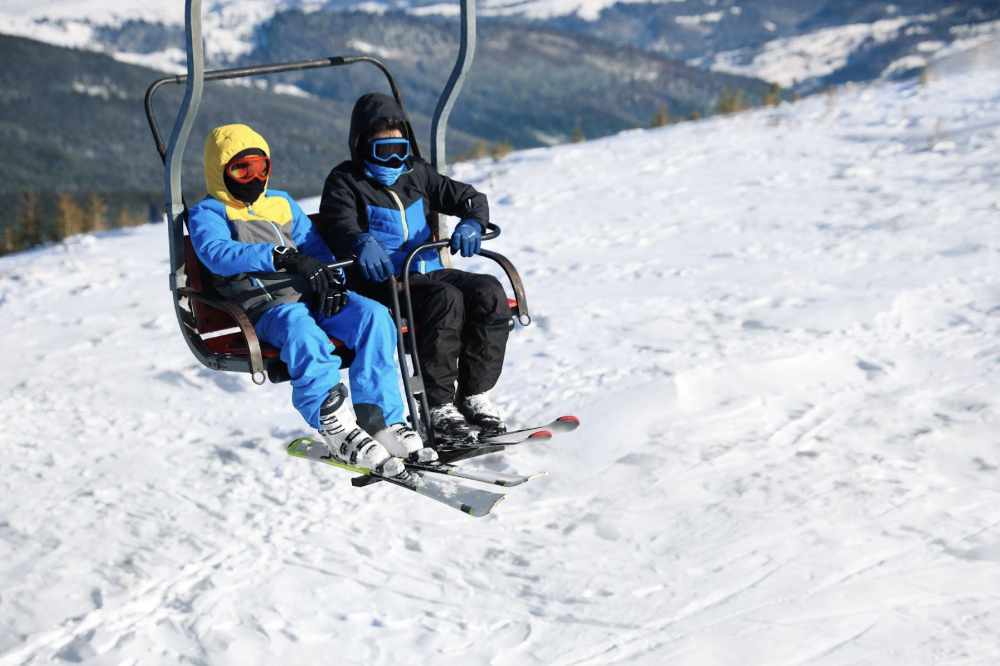
From June through September, alpine resorts such as Mount Buller and Falls Creek operate when snow coverage allows. Ski lifts run daily in peak periods. Villages fill with families hauling gear through car parks layered in frost. Even without skis, the cold air and mountain views shift the tone completely.
6. The Grampians in Crisp Air
Hiking improves once the summer heat fades. Tracks to Boroka and Reed Lookouts feel manageable in cooler conditions. Kangaroos move across open ground early in the morning. The sandstone ridgelines cast long winter shadows across the valley floor.
7. Whale Migration Season
Between June and October, southern right whales travel along sections of Victoria’s coastline. At Logans Beach near Warrnambool, they can sometimes be seen from land. There are no guarantees. That uncertainty is part of it.
8. Winter Dining and Indoor Culture
From June through August, restaurants lean into heavier menus and longer bookings. Dining rooms feel warmer, busier. Galleries and theatres maintain full programming throughout the colder months, making winter evenings easy to fill.

9. Phillip Island, Whatever the Weather
The Penguin Parade operates every evening of the year. From April to September, the air is cooler, and visitor numbers soften slightly after peak summer. The penguins still return from the water just after sunset, moving quickly across the sand before disappearing into their burrows.
10. Gold Rush Cities in Autumn
Ballarat and Bendigo show their best angles in April and May when tree-lined streets turn. The architecture holds up well under softer light. Sovereign Hill continues through winter, often with fewer queues once school holidays pass.
11. Spring Racing Carnival
From October into early November, the Spring Racing Carnival builds gradually before reaching its peak. Events stretch across weeks rather than a single day. The mood shifts across the city as race season approaches, even for those who never place a bet. For travellers moving on tight schedules or arriving for major events in October and November, booking a private jet charter into Victoria’s main gateway can reduce transit time and make multi-stop regional itineraries more efficient.
12. Gardens in Bloom
By September, public gardens begin to reset after winter. Lawns regain colour. Flower beds fill quickly. The Royal Botanic Gardens change almost week to week during early spring, making for a getaway that is blooming and overflowing with new life.

13. Surf Coast Swells
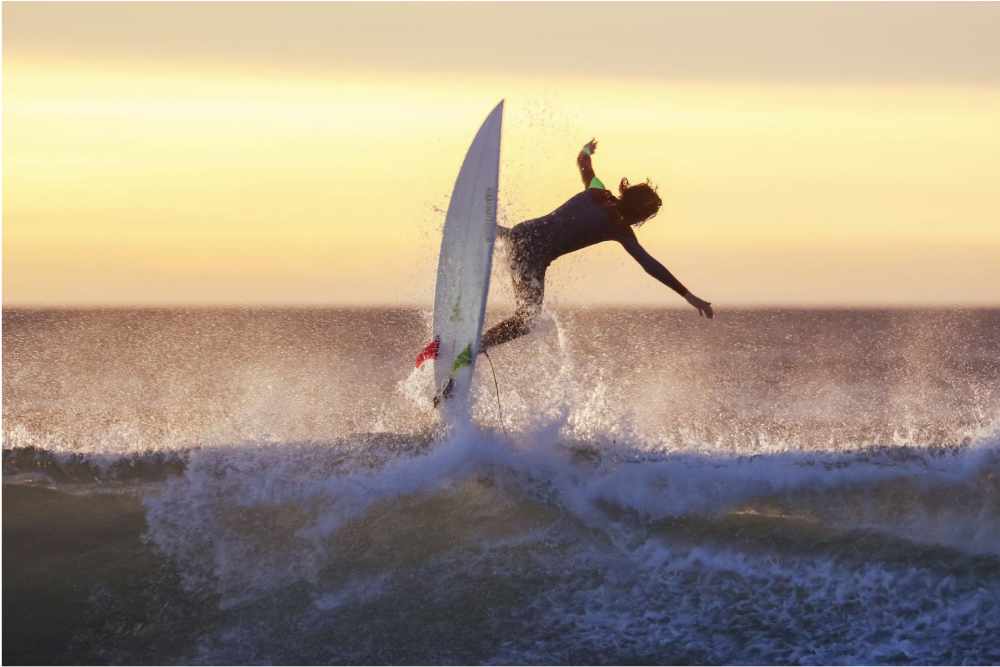
From May through August, the stretch between Torquay and Lorne sees consistent swell. Bells Beach remains active beyond its headline events. Watching experienced surfers handle heavier winter breaks adds a different dimension to the coastline.
14. Major Exhibitions in the Second Half of the Year
Large-scale gallery exhibitions and touring productions often anchor the calendar from late winter into spring. Cultural institutions maintain steady programming through December. Rainy days rarely feel wasted.
15. A Manageable Itinerary Through Year’s End
From March through December, Victoria doesn’t rely on a single peak. Autumn harvest, winter snow, spring racing, and year-round coastline create natural windows for travel. You can combine regional towns like Geelong with mountain villages, surf beaches, and city culture without crossing state borders. Victoria holds its strength well beyond summer. As the year progresses, the state experiences clear seasonal shifts rather than fading after the peak holiday months. For visitors mapping out the remainder of the year, this southeastern state offers structure, variety, and distances that remain workable.